
Personalized Marketing: The Future of Customer Engagement in 2026
In today’s fast-evolving digital world, customers no longer respond to generic advertisements or one-size-fits-all messaging. Instead, they expect brands to understand their needs, preferences, and behaviors. This shift has made personalized marketing one of the most powerful strategies in modern digital marketing. As we move further into 2026, personalization is not just an option—it is a necessity for businesses that want to stay competitive and build strong customer relationships.
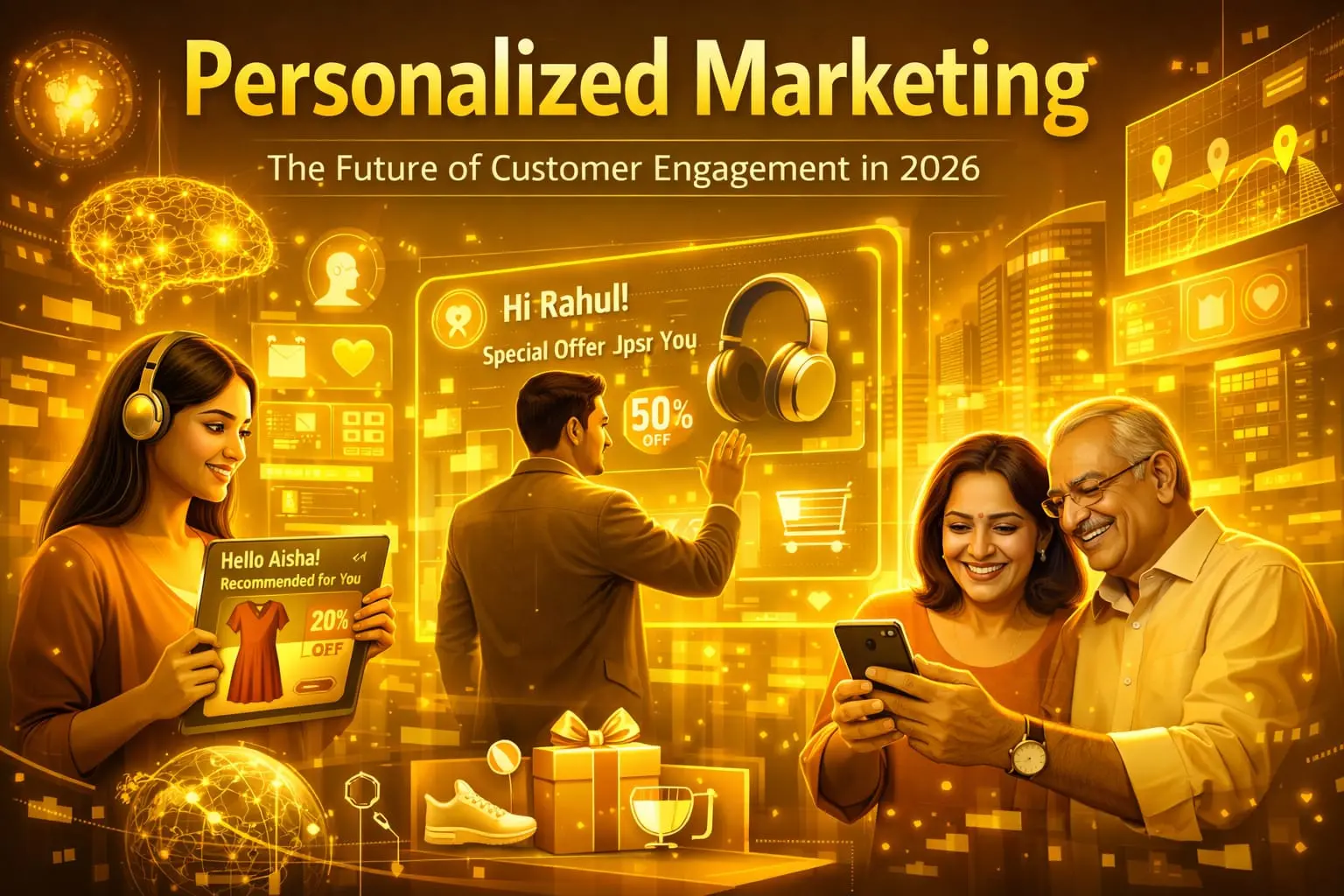
What is Personalized Marketing?
Personalized marketing refers to the practice of tailoring content, products, services, and communication to individual users based on data such as their interests, browsing behavior, purchase history, location, and demographics. Rather than sending the same message to everyone, businesses now use advanced tools and data analytics to deliver highly relevant experiences to each customer. This approach helps brands connect more effectively with their audience and improves overall engagement.
The Role of Data in Personalization
One of the key drivers behind the rise of personalized marketing is the explosion of data. Every interaction a user has with a website, app, or social media platform generates valuable insights. Businesses can analyze this data to understand what customers want, when they want it, and how they prefer to engage. This allows brands to create targeted campaigns that feel more natural and less intrusive, ultimately improving customer satisfaction and loyalty.
AI and Machine Learning in Marketing
Artificial intelligence (AI) and machine learning play a crucial role in making personalization possible at scale. These technologies can process large volumes of data in real time, identify patterns, and predict user behavior. For example, e-commerce platforms can recommend products based on a user’s previous purchases or browsing history, while streaming services suggest content tailored to individual preferences. Even email marketing campaigns can be customized to match user interests, increasing open rates and conversions.
Customer Segmentation and Hyper-Personalization
Another important aspect of personalized marketing is customer segmentation. Businesses divide their audience into smaller groups based on shared characteristics such as age, location, interests, or buying behavior. This helps marketers create more focused campaigns that resonate with specific audiences. However, in 2026, personalization goes beyond simple segmentation. Hyper-personalization uses real-time data and AI to deliver content tailored to each individual’s exact needs and context, creating a more dynamic and engaging user experience.
Personalized Email Marketing
Personalized marketing is especially effective in email campaigns. Instead of sending mass emails, businesses can craft messages that address users by name, recommend relevant products, and provide content based on their interests. This not only improves user experience but also significantly boosts conversion rates. Personalized emails have been proven to generate higher open rates, better click-through rates, and improved return on investment compared to generic email campaigns.
Social Media Personalization
Social media platforms have also embraced personalization in a big way. Algorithms analyze user behavior to display content that is most relevant to each individual. For marketers, this means creating content that aligns with audience preferences and encourages interaction. Personalized advertising on platforms like Facebook and Instagram enables businesses to reach the right audience with the right message at the right time, increasing the effectiveness of their campaigns.
Challenges in Personalized Marketing
Despite its many advantages, personalized marketing also comes with challenges. Data privacy is one of the biggest concerns. Customers are becoming more aware of how their data is collected and used, and they expect transparency from brands. Businesses must follow data protection regulations and ensure that customer information is handled responsibly. Building trust is essential for long-term success in personalization strategies.
Balancing Personalization and Privacy
Another challenge is finding the right balance between personalization and privacy. While customers appreciate relevant and customized content, they may feel uncomfortable if a brand appears to know too much about them. Marketers must be careful not to cross this