
Social Media Algorithm Changes: What Marketers Need to Know in 2026
Social media platforms are constantly evolving, and one of the biggest drivers of this change is their algorithms. In 2026, social media algorithms have become more advanced than ever, focusing heavily on user experience, relevance, and engagement. For businesses and marketers, understanding how these algorithms work is essential to staying visible and competitive in a crowded digital space. Without adapting to these changes, even high-quality content can go unnoticed.
What Are Social Media Algorithms?
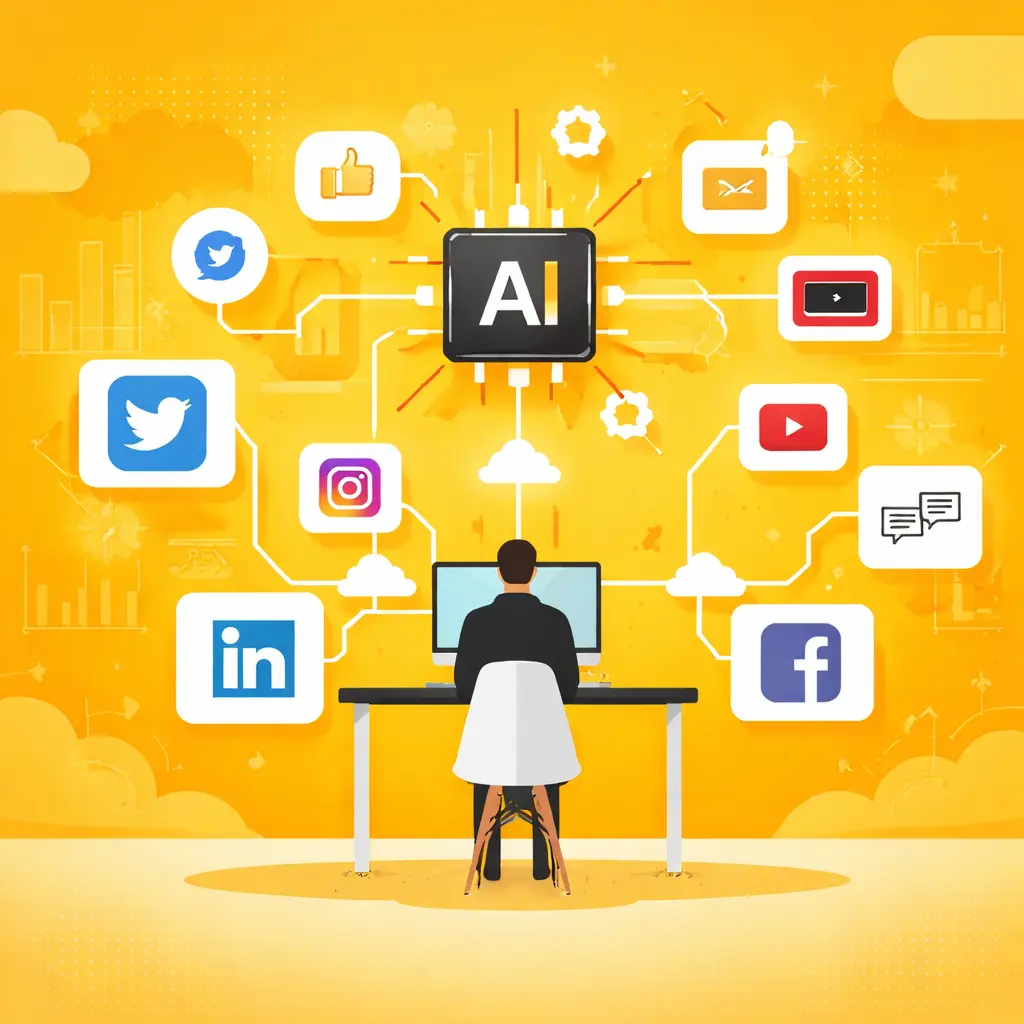
Social media algorithms are systems used by platforms to decide what content users see in their feeds. Instead of showing posts in chronological order, algorithms analyze user behavior, interests, and interactions to deliver personalized content. These systems consider factors like likes, comments, shares, watch time, and user preferences to determine which posts are most relevant. As a result, every user sees a unique feed tailored to their activity.
The Shift Toward Engagement-Based Ranking
In 2026, engagement is the most important factor in social media algorithms. Platforms prioritize content that generates meaningful interactions, such as comments, shares, saves, and longer watch times. Simple likes are no longer enough to boost visibility. Content that encourages conversation and keeps users engaged is more likely to be promoted. This means marketers must focus on creating content that connects with audiences on a deeper level rather than just aiming for quick reactions.
The Rise of Short-Form Video Content
Short-form video continues to dominate social media platforms. Features like Reels, Shorts, and similar formats are heavily favored by algorithms because they keep users engaged for longer periods. In 2026, platforms are pushing video content more than ever, especially content that captures attention within the first few seconds. For marketers, this means investing in creative, high-quality video content that is both entertaining and informative.
Personalization and AI Integration
Artificial intelligence plays a major role in modern social media algorithms. AI analyzes user data in real time to deliver highly personalized content. It learns from user behavior, such as the type of content they watch, how long they engage, and what they interact with most. This allows platforms to create a more customized experience for each user. For businesses, this means that understanding their target audience is more important than ever, as content must align with user preferences to perform well.
Importance of Consistency and Posting Frequency
Consistency has become a key factor in algorithm success. Posting regularly signals to the algorithm that an account is active and relevant. However, it is not just about posting frequently—it is about maintaining quality while being consistent. In 2026, algorithms reward creators and brands that consistently deliver valuable content. A well-planned content calendar can help businesses stay active without compromising on quality
The Role of User Behavior Signals
User behavior signals such as watch time, click-through rates, saves, and shares play a crucial role in determining content reach. The longer users engage with a post, the more likely it is to be pushed to a wider audience. For example, videos that are watched until the end or posts that are saved for later are considered highly valuable by algorithms. Marketers should focus on creating content that captures attention and encourages users to stay engaged.
Algorithm Changes Across Platforms
Different social media platforms have unique algorithms, but they share common principles. Instagram focuses on engagement and relationship-based interactions, while YouTube prioritizes watch time and retention. LinkedIn emphasizes professional relevance and meaningful discussions, and Facebook continues to prioritize content from friends, groups, and communities. In 2026, understanding platform-specific strategies is essential for maximizing reach and engagement.
Challenges Marketers Face
Keeping up with algorithm changes can be challenging for marketers. Frequent updates mean that strategies that worked in the past may no longer be effective. Organic reach has also declined, making it harder for brands to reach their audience without paid promotions. Additionally, increased competition means that standing out requires more creativity and effort. Marketers must stay updated and be willing to adapt quickly to new trends.